
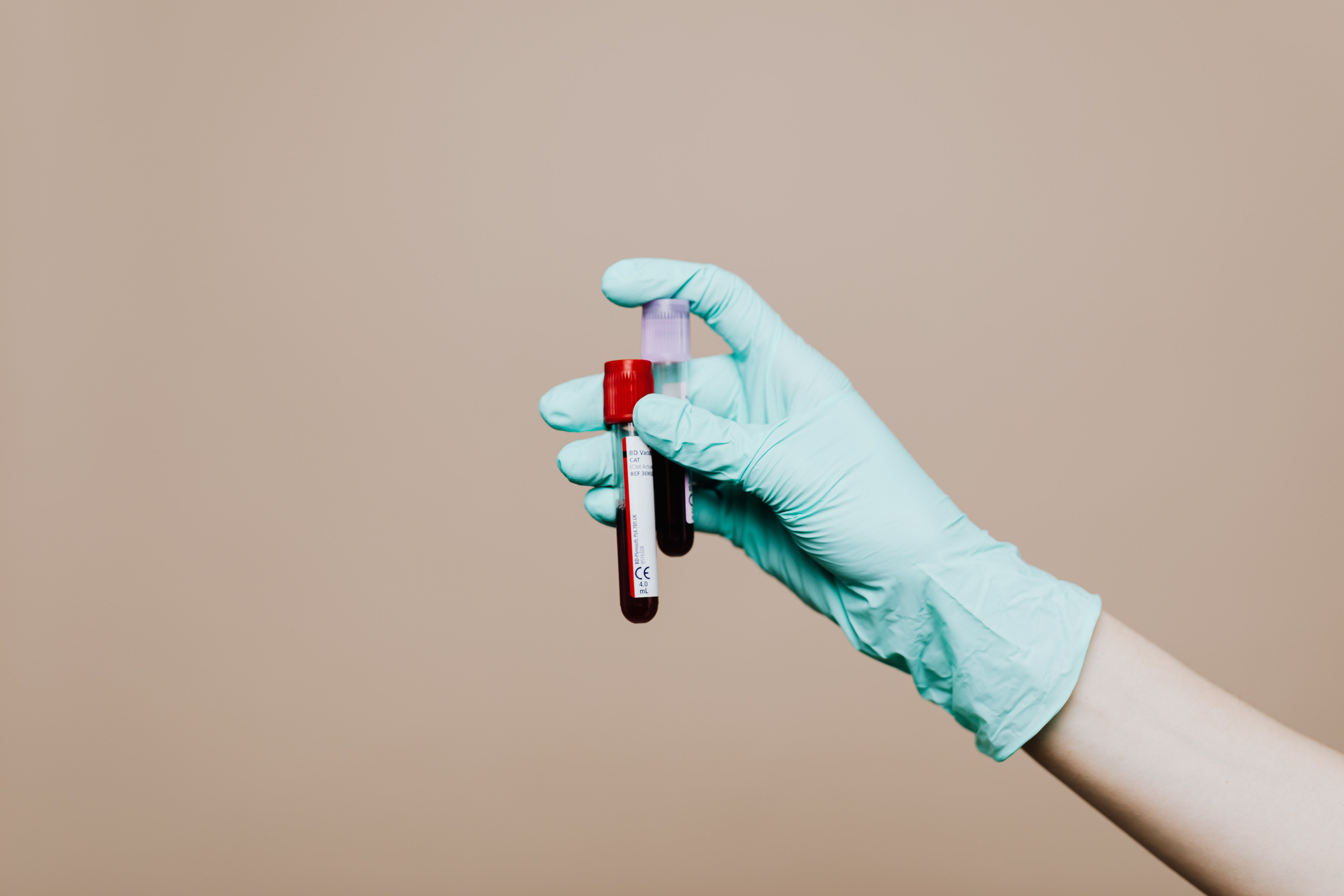
If your doctor has ordered blood work, chances are a Complete Blood Count (CBC) is part of it. It's one of the most frequently ordered lab tests worldwide — used for routine checkups, before surgery, when investigating fatigue or infection, and for monitoring chronic conditions. Despite how common it is, the report itself, with its long list of abbreviations and numbers, can feel like a foreign language. This guide breaks down exactly what each part measures, why it matters, and how to read your results with more confidence before you sit down with your doctor.
What is a CBC test?
A CBC measures the three main types of cells in your blood — red blood cells, white blood cells, and platelets — along with related values like hemoglobin and hematocrit. Together, these numbers give your doctor a broad snapshot of your overall health, oxygen-carrying capacity, immune function, and clotting ability. It is often the very first test ordered in any general health checkup because it can flag a wide range of issues, from simple dehydration to anemia to an active infection, using just one small blood draw.
Because a CBC checks so many different systems at once, it's rarely used to diagnose a single specific disease. Instead, think of it as a broad-spectrum health scan — a starting point that tells your doctor which direction to investigate further, if needed.
How is a CBC test performed?
A CBC only requires a small blood sample, usually drawn from a vein in your arm using a standard needle and vial — the same draw used for most other routine blood tests, so it's often combined with a lipid profile, blood sugar, or liver and kidney panels in a single visit. The sample is then run through an automated hematology analyzer, which counts and measures each type of blood cell within minutes. There's no special equipment needed on your end, no discomfort beyond the brief needle prick, and results are typically available the same day.
The main components explained
Hemoglobin (Hb)
The protein in red blood cells that carries oxygen from your lungs to the rest of your body, and carbon dioxide back for you to exhale. Low hemoglobin usually indicates anemia — which itself can have many causes, from iron deficiency to chronic disease to blood loss. High hemoglobin can be linked to dehydration, living at high altitude, smoking, or less commonly, certain lung or heart conditions that increase red cell production.
Red Blood Cell (RBC) count
This is simply the number of oxygen-carrying cells in a given volume of your blood. On its own, the RBC count is less informative than hemoglobin or hematocrit, but combined with the red cell indices below, it helps your doctor classify exactly what type of anemia (if any) is present.
White Blood Cell (WBC) count
Your immune system's defense cells. A CBC often includes a "differential" — the breakdown of the five main types of white cells — which helps distinguish between a bacterial infection, a viral infection, an allergic reaction, or other causes of an abnormal count.
Platelet count
Cell fragments responsible for blood clotting. A low platelet count can increase bleeding and bruising risk; a very high count can, in some cases, increase clotting risk. Both are followed up based on the full clinical picture rather than the number alone.
Hematocrit (PCV)
The percentage of your blood volume made up of red blood cells. It generally moves in the same direction as hemoglobin and is used to cross-check the RBC and Hb readings for consistency.
Understanding red cell indices: MCV, MCH, MCHC
If your hemoglobin comes back low, these three additional values help your doctor figure out the likely cause of the anemia — a step that guides which further tests (like iron studies or Vitamin B12) might be needed next.
| Index | What it measures | What it helps identify |
|---|---|---|
| MCV (Mean Corpuscular Volume) | Average size of red blood cells | Microcytic (small), normocytic, or macrocytic (large) anemia |
| MCH (Mean Corpuscular Hemoglobin) | Average amount of hemoglobin per red cell | Whether red cells are hemoglobin-poor or hemoglobin-rich |
| MCHC | Concentration of hemoglobin within red cells | Further classification of anemia type |
The white blood cell differential
Not all white blood cells are the same — each type plays a distinct role in your immune defense, and the balance between them offers useful diagnostic clues.
| Cell type | Typical share of WBCs | Primary role |
|---|---|---|
| Neutrophils | 40 – 75% | First responders to bacterial infection |
| Lymphocytes | 20 – 45% | Viral defense, long-term immune memory |
| Monocytes | 2 – 10% | Clean-up of dead cells, chronic infection response |
| Eosinophils | 1 – 6% | Allergic reactions, parasitic infections |
| Basophils | 0 – 2% | Inflammatory and allergic response |
Percentages are approximate and can vary between labs — your report will show the specific reference range used for your test.
Typical adult reference ranges
Reference ranges vary slightly between labs depending on the equipment and method used — always check the range printed on your own report rather than relying on these approximate figures.
| Parameter | Typical adult range |
|---|---|
| Hemoglobin (Men) | 13.5 – 17.5 g/dL |
| Hemoglobin (Women) | 12.0 – 15.5 g/dL |
| WBC count | 4,000 – 11,000 /µL |
| Platelet count | 150,000 – 450,000 /µL |
| Hematocrit (Men) | Approx. 41 – 50% |
| Hematocrit (Women) | Approx. 36 – 44% |
Common conditions linked to abnormal CBC results
- Anemia — low hemoglobin, hematocrit, and RBC count, often due to iron, B12, or folate deficiency, or chronic blood loss
- Infection or inflammation — elevated WBC count, often with a shifted differential toward neutrophils (bacterial) or lymphocytes (viral)
- Dehydration — falsely elevated hemoglobin and hematocrit due to reduced blood plasma volume
- Bleeding or clotting disorders — abnormal platelet counts
- Allergic conditions — elevated eosinophil count
- Bone marrow or blood disorders — significantly abnormal counts across multiple cell lines, which would prompt further specialist evaluation
How to prepare for a CBC test
The good news is that preparation is minimal. Fasting is not required, you can take your regular medications unless your doctor advises otherwise, and there's no special diet to follow beforehand. A few small things do help:
- Stay hydrated — well-hydrated veins make the blood draw quicker and more comfortable
- Wear a short-sleeved or loose-sleeved top for easy access to your arm
- Mention any blood-thinning medication or bleeding disorder to the phlebotomist beforehand
- If you feel light-headed around needles, let the staff know — they can have you sit or lie down during the draw
Why doctors order a CBC
Because it's quick, affordable, and informative, a CBC is used far more broadly than most people realise:
- Routine annual health checkups
- Investigating unexplained fatigue, weakness, or paleness
- Suspected infection (fever, prolonged illness)
- Unexplained bruising or bleeding
- Monitoring chronic conditions or ongoing treatment, including chemotherapy or long-term medication use
- Pre-surgery or pre-procedure screening
- Pregnancy checkups, to monitor for anemia
Key takeaway: A CBC is a broad screening tool, not a standalone diagnosis. Abnormal values are a starting point for your doctor to investigate further — they're rarely meaningful in isolation.
Conclusion
A Complete Blood Count is a simple, fast, and remarkably informative test — one that touches almost every system in your body, from oxygen delivery to immune defense to clotting. Understanding the basics of what each value means won't replace your doctor's expertise, but it can make the conversation about your results far more productive. If it's been a while since your last CBC, or if you've been experiencing fatigue, frequent infections, or unusual bruising, it may be worth booking one — with same-day reports and free home collection available in Ghazipur, there's little reason to put it off.